What are some examples of successful thank-you letters in fundraising?
In the realm of fundraising, crafting compelling thank-you letters is pivotal for donor retention and continued support. A well-structured thank-you letter not only acknowledges the donor's contribution but also reinforces their connection to the cause. In 2025, several organizations have exemplified best practices in their thank-you communications.
What are some examples of successful thank-you letters in fundraising?>>>>>>>>>>>>
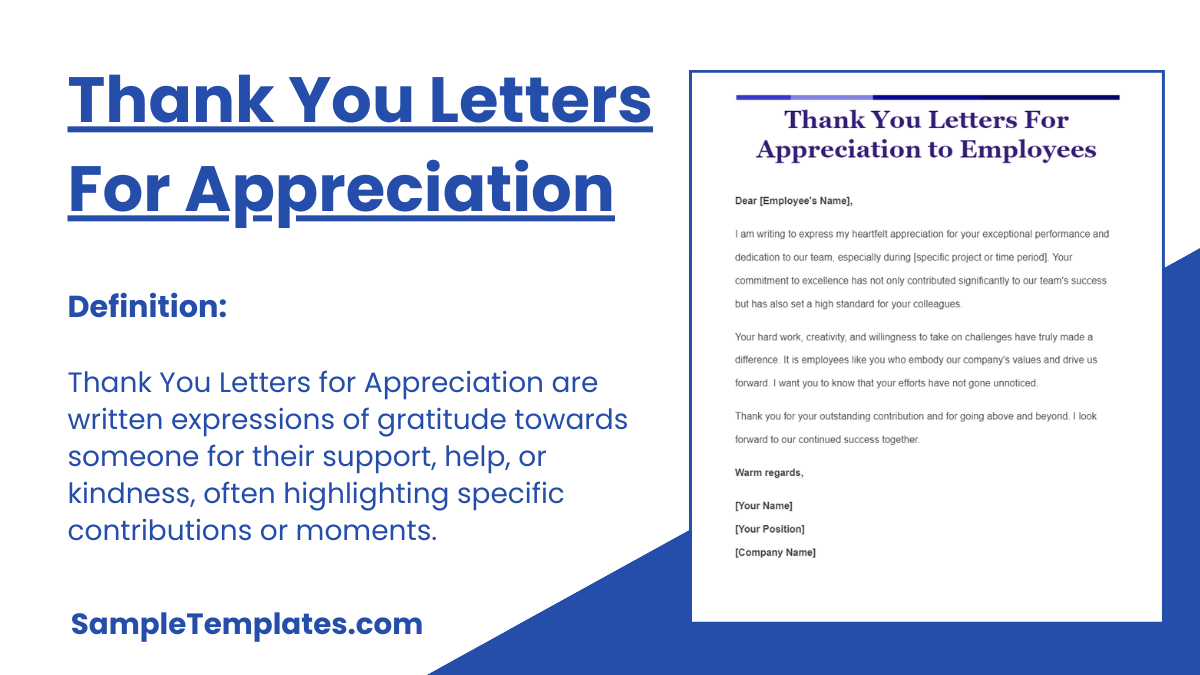
1. Personalization and Specificity
Addressing donors by their first names and referencing their specific contributions can significantly enhance the personal touch of a thank-you letter. For instance, an organization might write, "Dear [Donor's Name], thank you for your generous donation of [Donation Amount] to our [Fundraising Campaign]." This approach not only personalizes the message but also reminds the donor of their specific impact.
2. Highlighting Tangible Impact
Donors appreciate knowing how their contributions make a difference. Effective thank-you letters often include specific examples of the impact made possible through their gift. For example, "Thanks to your generous donation, we were able to purchase new equipment that will help us provide better care to our patients." This not only acknowledges the donation but also illustrates its direct effect.
3. Storytelling
Sharing stories of individuals or communities benefited by the donor's contribution can create an emotional connection. A compelling narrative about a specific individual whose life was changed due to the donor's support can be more impactful than statistics alone. This approach humanizes the cause and makes the donor feel integral to the success stories.
4. Timeliness
Sending thank-you letters promptly after receiving a donation is crucial. Ideally, acknowledgments should be sent within 48 hours of the gift being made. This promptness shows appreciation and reassures donors that their contributions are valued and recognized immediately.
5. Multi-Channel Appreciation
Utilizing multiple channels to express gratitude can enhance the donor experience. For instance, an immediate automated acknowledgment email followed by a personalized, tangible note can reinforce the message of appreciation. This multi-faceted approach caters to different donor preferences and emphasizes the organization's gratitude.
6. Visual Appeal
Incorporating visual elements can make thank-you letters more engaging. Clear formatting, the use of images, and ample white space can make the letter more readable and visually appealing. For example, adding a photo of the community or individuals benefited by the donation can create a stronger connection between the donor and the cause.
7. Handwritten Notes
Adding a handwritten note or signature can add a personal touch to thank-you letters. This gesture shows that the organization values the donor enough to take the time to add a personal element, enhancing the sense of appreciation.
8. Offering Further Engagement Opportunities
Encouraging donors to engage further with the organization can strengthen the relationship. This could include invitations to events, volunteer opportunities, or suggestions to follow the organization's social media pages. Providing these options without directly soliciting another donation allows donors to connect more deeply with the cause.
9. Matching Gift Information
Informing donors about matching gift opportunities can maximize their contributions' impact. For example, "Did you know that many employers offer matching gift programs? Your donation could be doubled or even tripled. Please check with your employer to see if they provide matching gifts." This not only educates donors but also encourages them to leverage additional resources for the cause.
10. Expressing Genuine Gratitude
Above all, the sincerity of the message is paramount. A thank-you letter should convey genuine appreciation and reflect the organization's gratitude for the donor's support. Phrases like "From the bottom of our hearts, thank you for your generous contribution. With supporters like you, we know we can achieve our goals." can convey heartfelt thanks.
Conclusion
In successful thank-you letters in fundraising are personalized, timely, and convey the tangible impact of the donor's contribution. By incorporating storytelling, visual elements, and opportunities for further engagement, organizations can strengthen their relationships with donors and encourage continued support.
FAQs
1. Why is personalization important in thank-you letters?
Personalization makes donors feel valued and recognized, enhancing their connection to the cause and increasing the likelihood of future support.
2. How soon should a thank-you letter be sent after receiving a donation?
Ideally, a thank-you letter should be sent within 48 hours of receiving a donation to show prompt appreciation.
3. What role does storytelling play in thank-you letters?
Storytelling creates an emotional connection by illustrating the real-life impact of the donor's contribution, making the gratitude more tangible and meaningful.
4. How can organizations encourage further engagement from donors in thank-you letters?
Organizations can invite donors to events, suggest volunteer opportunities, or encourage them to follow their social media pages, providing avenues for deeper involvement without directly soliciting additional donations.
5. What is the benefit of informing donors about matching gift opportunities?
Informing donors about matching gift programs can potentially double or triple their contributions, maximizing the impact of their donation and benefiting the organization's cause.
Comments
Post a Comment