What Are the Key Elements of an Effective Donation Thank-You Letter in 2025?
n the ever-evolving world of fundraising, an effective donation thank-you letter in 2025 is more than just a courteous response—it’s a strategic tool for donor retention and engagement. Nonprofits and charities rely heavily on heartfelt gratitude to build long-term relationships with their supporters. However, crafting a thank-you letter that leaves a lasting impression requires key elements that go beyond a simple "thank you."
With increasing digital communication and donor expectations, organizations must personalize their approach while maintaining authenticity. A well-crafted thank-you letter can encourage repeat donations, foster goodwill, and even inspire donors to share your cause with others. In this article, we’ll explore the essential components of an effective donation thank-you letter in 2025 and how to ensure your message stands out in an era of donor-centric fundraising.
What Are the Key Elements of an Effective Donation Thank-You Letter in 2025?>>>>>>>>>>>>>>>>>>>
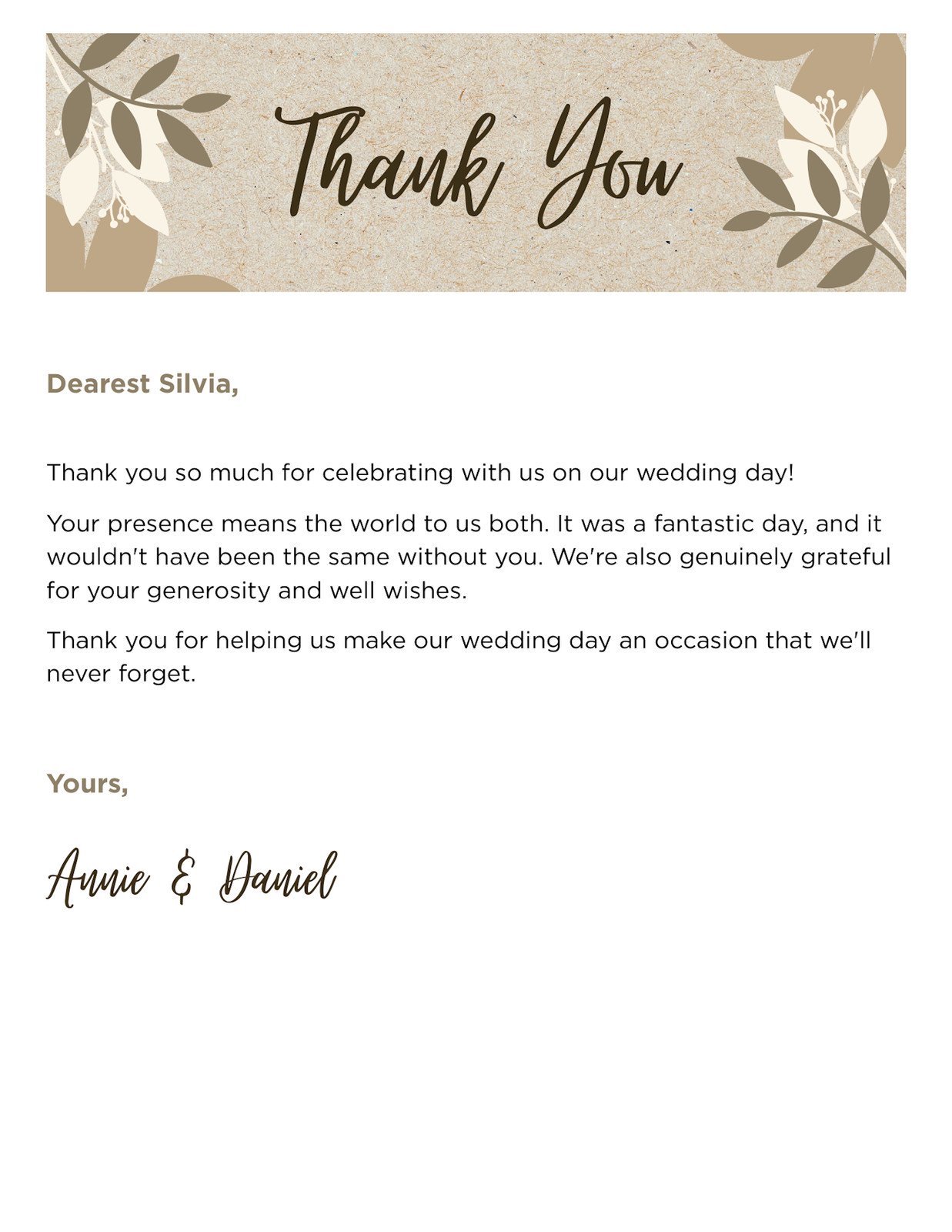
1. Personalization Matters More Than Ever
Generic thank-you letters no longer cut it in 2025. Donors expect personalized messages that acknowledge their unique contribution. Address the donor by name, reference their specific donation amount, and mention the impact of their generosity.
For example:
"Dear Sarah, your generous donation of $100 has helped provide clean drinking water to five families for an entire month. Because of you, lives are changing!"
Personalization fosters a deeper connection between the donor and your organization, making them feel truly valued. If your nonprofit has donor segmentation data, use it to tailor thank-you messages even further.
2. Express Genuine Gratitude, Not Just a Formality
Sincerity is crucial in donor communications. Instead of robotic or overly formal phrasing, write in a warm, heartfelt tone that conveys true appreciation. A donor should feel that their contribution made a difference—not that they are just another name on a list.
Example:
"We are incredibly grateful for your generosity. Your support means the world to us, and it’s because of donors like you that we can continue making a positive impact in the community."
Remember, donors give because they care about your mission. Reinforce that their contribution is meaningful and essential.
3. Share the Impact Their Donation Made
One of the most effective ways to keep donors engaged is by showing them how their contribution is being used. Instead of vague statements, provide specific examples of impact.
For instance, if your nonprofit supports education, your thank-you letter might include:
"Because of your support, 50 underprivileged children received new school supplies and access to online learning resources this year."
Adding visuals like photos, infographics, or even a link to a short video can further illustrate the impact and create a more emotional connection with your donors.
4. Keep It Concise Yet Meaningful
While donors appreciate gratitude, long-winded letters may lose their attention. Keep your thank-you message concise yet impactful. A well-structured letter should ideally be one page, using short paragraphs and clear language.
A simple and effective structure includes:
- Personalized greeting
- Expression of gratitude
- A specific example of impact
- A warm closing with an invitation to stay connected
By keeping your letter focused, you ensure that donors engage with the entire message.
5. Include a Call to Action (Without Asking for More Money)
A thank-you letter isn’t the place to ask for another donation immediately, but it is an opportunity to deepen engagement. Instead of requesting more funds, invite donors to:
- Follow your organization on social media
- Attend an upcoming event
- Read success stories on your website
- Volunteer for a cause they care about
Example:
"We’d love for you to see firsthand how your contribution is making a difference! Follow us on Instagram @ournonprofit to see daily updates on the lives you’ve touched."
By providing non-monetary ways to stay involved, you keep donors engaged and invested in your mission.
6. Send Your Thank-You Promptly
Timing is everything when it comes to donor appreciation. The sooner you send your thank-you letter, the more meaningful it will feel. Ideally, donors should receive their thank-you within 48 to 72 hours after making a contribution.
Delayed acknowledgments may make donors feel unappreciated or question whether their donation was received at all. If possible, automate your thank-you process while maintaining a personal touch.
7. Sign Off With a Personal Touch
A handwritten signature or a note from a real person in your organization (rather than just the organization's name) adds a personal touch. If possible, include a signature from the executive director, a board member, or even a beneficiary.
Example:
"With deepest gratitude,
[Executive Director’s Name]
[Organization’s Name]"
Adding a P.S. note can also make your letter feel more personal and engaging. For example:
"P.S. We’d love to hear what inspired you to donate! Reply to this email and share your story with us."
Conclusion
An effective donation thank-you letter in 2025 is more than a routine response—it’s a crucial element in donor relationship building. By personalizing your message, expressing genuine gratitude, sharing tangible impact, and maintaining engagement, you can turn one-time donors into lifelong supporters. As digital communication continues to evolve, nonprofits must stay ahead by crafting thank-you letters that are heartfelt, strategic, and timely.
Remember, the more valued a donor feels, the more likely they are to continue supporting your cause. Make every thank-you letter count!
FAQs
1. How long should a donation thank-you letter be?
A donation thank-you letter should be concise—ideally one page or around 250-300 words. It should be long enough to express gratitude and impact but short enough to keep the donor’s attention.
2. Should a donation thank-you letter ask for another gift?
No, a thank-you letter should focus on appreciation rather than making another ask. However, it can include a subtle call to action, such as inviting the donor to stay connected through social media or events.
3. Is it better to send a thank-you letter via email or mail?
Both methods have advantages. Emails are faster and more cost-effective, while mailed letters add a personal touch and can make a stronger impression. A combination of both is ideal for donor retention.
4. Can I automate donation thank-you letters?
Yes, automation can ensure timely responses, but it’s essential to personalize the message. Customizing donor names and referencing specific donations makes the letter feel genuine.
5. What should I include in a handwritten thank-you note for a major donor?
For major donors, a handwritten note should include a warm greeting, a specific mention of their generosity, the impact their contribution has made, and an invitation for continued engagement. A personal touch, such as a signature from a board member or beneficiary, adds value.


Comments
Post a Comment